
Introduction: The Most Important Step in Your Sales Process Is Still Managed in Slack
In most B2B SaaS companies, reference management looks something like this:
-
A Slack message asking for a happy customer in a specific industry
-
A spreadsheet with outdated notes
-
A CSM tapping the same three advocates
-
A long email thread to coordinate availability
Meanwhile, the deal slows down.
In a world where buyers demand peer validation before committing, references are often the final confidence trigger before signature.
Yet the way most companies manage them has not evolved.
This guide outlines a modern, structured approach to managing customer references that accelerates deals while protecting advocate relationships.
What Is Customer Reference Management?
Customer Reference Management refers to the structured way a company manages customer advocates, reference requests, and peer conversations during the sales process.
When delivered through dedicated software, this is often called a Customer Reference Management Platform.
In practical terms, it means replacing informal Slack messages and spreadsheets with a system that makes reference sourcing faster, more relevant, and respectful of customer boundaries.
That clarity allows us to focus on what matters most: execution.
Why Traditional Reference Handling Breaks at Scale
Early-stage companies can manage references informally. As revenue grows, the cracks appear quickly.
1. Delays Kill Momentum
Sales teams wait days or even weeks to source the right customer. Momentum fades. Champions lose urgency. Competitors gain time.
2. Advocate Burnout
The same small group of customers handles the majority of requests. Over time:
-
Response rates decline
-
Enthusiasm drops
-
Relationships strain
Burnout is not just a Customer Success concern. It directly impacts revenue reliability.
3. Poor Matching
Without structured profiles, references are selected based on memory rather than alignment. That leads to misaligned conversations that reduce trust.
4. No Operational Visibility
Most organizations cannot answer:
-
How long does reference fulfillment take?
-
Which advocates are overused?
-
Do references shorten deal cycles?
If you cannot measure it, you cannot improve it.
The Five Pillars of Modern Customer Reference Management
A modern approach rests on five foundational elements.
1. A Centralized, Searchable Reference Library
Every advocate should have a structured profile that includes:
-
Role
-
Industry
-
Company size
-
Product usage
-
Region
-
Engagement preferences
This reduces guesswork and significantly shortens sourcing time.
2. Advocate-Controlled Availability
Control should sit with the customer.
A sustainable system allows advocates to define:
-
When they are available
-
How often they can be contacted
-
What type of engagement they prefer
-
When they want to pause participation
Clear boundaries protect relationships and improve response quality.
3. Intelligent Matching
Effective reference programs focus on relevance rather than volume.
Matching should consider:
-
Industry alignment
-
Use case similarity
-
Company maturity
-
Geographic context
Fewer, better conversations create stronger buyer confidence.
4. Structured Sales Workflows
References should be embedded into the deal process, not handled separately.
This includes:
-
Clear request routing
-
Deal-level tracking
-
Coordinated scheduling
-
Historical visibility across teams
Structured workflows reduce friction without sacrificing governance.
5. Analytics and Impact Measurement
Reference management becomes strategic when it is measurable.
Key metrics to track include:
-
Time to first match
-
Fulfillment speed
-
Distribution of requests across advocates
-
Engagement health indicators
-
Deal velocity impact
When visibility improves, so does performance.
How to Assess Your Current Reference Maturity
Use this quick self-assessment.
Sourcing
-
Do you rely on Slack or memory to find references?
-
Is your reference list centralized and searchable?
Control
-
Do advocates define how often they can be contacted?
-
Can they easily opt out or pause?
Speed
-
How long does it take to match a relevant reference?
-
Is scheduling coordinated systematically?
Visibility
-
Can RevOps see reference impact on pipeline?
-
Do you track overuse or burnout risk?
If most answers are no or not consistently, you are operating informally rather than strategically.
Why This Matters Now
Buyers are more risk-aware.
Deal sizes are increasing.
Peer validation carries significant weight in final decision stages.
At the same time, customers expect:
-
Respect for their time
-
Clear boundaries
-
Transparent engagement
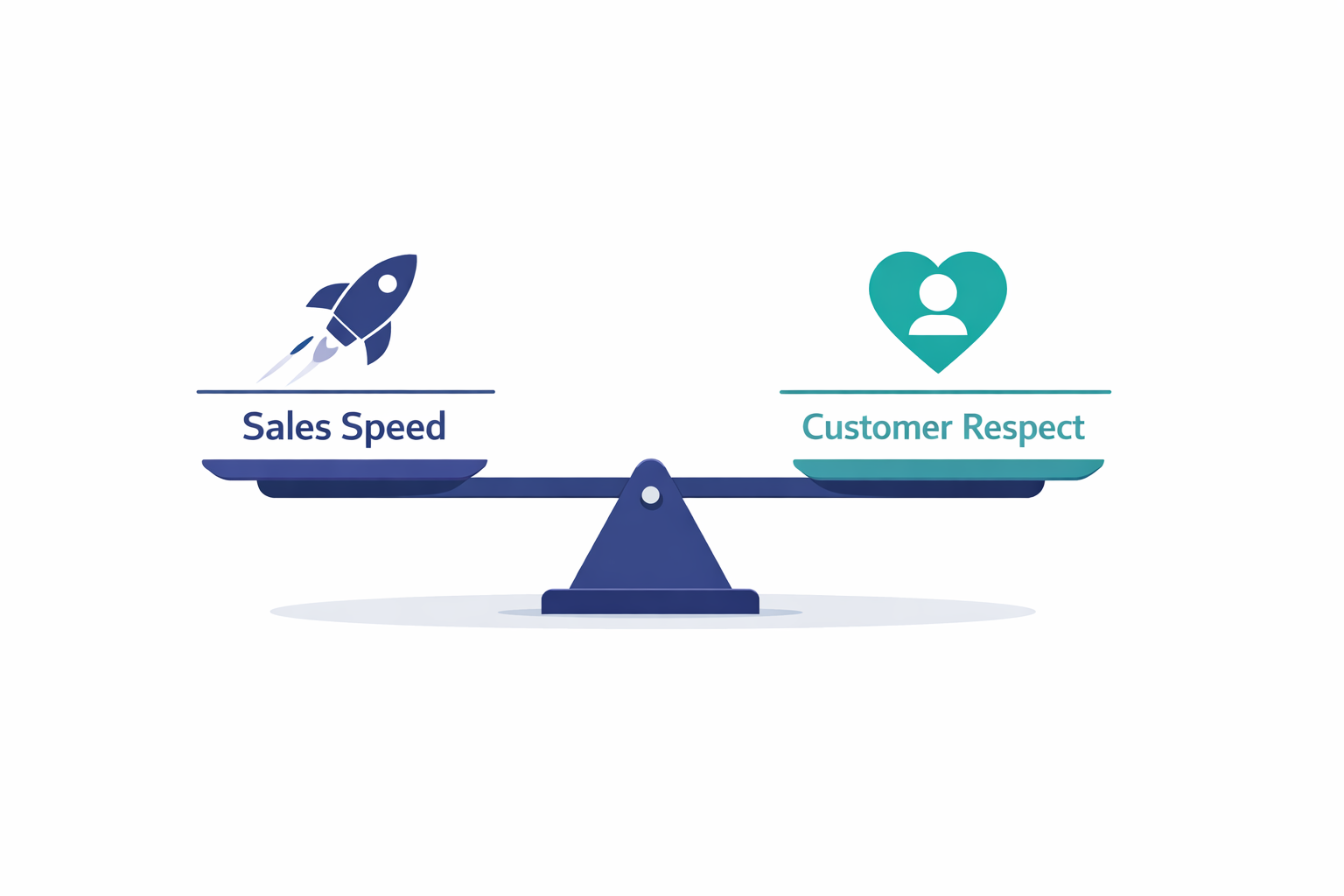
Companies that treat advocates as unlimited assets may close short-term deals but damage long-term trust.
Companies that build structured, consent-driven systems create:
-
Faster fulfillment
-
Higher-quality conversations
-
Sustainable advocacy
-
Stronger brand equity
Respect scales. Extraction does not.
The Strategic Shift
Customer Reference Management is not administrative overhead.
It is:
-
A revenue acceleration lever
-
A customer trust strategy
-
A RevOps visibility layer
-
A sustainability safeguard
As sales cycles become more complex, references are no longer a side process. They are a critical stage in the buyer journey.
Critical stages deserve infrastructure.
Modernize Without Risk
If your team is still managing references through spreadsheets, Slack threads, or CRM workarounds, it may be time to introduce structure.
The lyynx 90-Day Early Access Pilot allows you to:
-
Run real deals through a structured reference model
-
Protect advocate boundaries by design
-
Measure reference impact on velocity
-
Lock in long-term pricing advantages
Try it with real customers, real control, and real revenue context.
